
The importance of technology in everyday life can no longer be considered casually, as things such as 24/7 connection to the internet and the use of AI in the workplace have become must-haves rather than desires. The same holds true for the home, where consumers are interested in moving beyond ‘conversing with Alexa’ to controlling many aspects of their lives. But, technology in the home needs to be easy to use and truly beneficial to the user’s lifestyle in order to meet expectations.
For kitchen and bath designers, this added layer is challenging, to say the least. Few are fully versed in all things technical, with many stymied by the myriad possibilities of technology in design. Faucets that operate without a touch and appliances that can be controlled via app can be challenging, but tying that into lights, stereo systems and blinds that can be turned on and off via voice command often requires a different level of expertise.
But, knowledgeable clients are inquiring, and designers need to answer the call.
“I think the pandemic increased our reliance on technology and we have more trust with it as a result,” offers Toni Sabatino, principal, Toni Sabatino Style in Northport, NY. “The smart phone apps for shopping, deliveries, monitoring and even staying in touch with friends and family have given us more confidence in technology as a society.”
Sabatino believes it is important for designers to have some working knowledge about technology and what is available. While she used to be apprehensive about technology because it seemed to change so quickly, streaming and downloadable updates have changed her thought process.
“Products have a longer lifetime and relevancy, and I am no longer fearing obsolescence the way I did 15 years ago,” she reports. She adds that attending the CEDIA trade show and technology presentations from design organizations, as well as visiting a smart house showroom, are great ways to increase comfort levels. “Seeing the product offerings and uses, as well as building relationships and partnerships with tech people, are key to getting more comfortable,” she stresses.
Making Connections
Back in the late 1990s, when Josh Christian became involved in the custom residential market, “I would watch designers work on these amazing projects and think, ‘they need help with technology.’ They had so much to do just to be a designer, and I wanted to advise,” states the CEO of the Home Technology Association. He ended up working many years with designers, building relationships and installing systems. As the person who now oversees the association, his current work is about finding the home technology professionals who are true pros.
“There are a lot of people working in this industry, but only a very small minority who are really professional grade, who know how to play well with others, who respectfully interact with interior designers,” he stresses. “Designers bring in the aesthetics, as the beauty is very important. But integrators who work in this field have to pick products that blend in with that interior. Integrators need to know how to communicate with designers.”
He adds that this is why the association was created, “to differentiate those folks, so a designer can have someone to reach out to. It’s like bringing in a lighting designer or a cabinet maker or any other trade. The association is designed to make the home technology integrator a member of the team, someone who can make the designer’s life easier and make their whole project come out way better and with less ‘I wish I knew about this earlier.’”
Partnering with a home-automation specialist is the best way to learn, successfully present to a client, and implement an automated lighting or sound system, stresses Randy Godeau, president, Bay Area Kitchens in Webster, TX. “They will educate and guide you through the process, and will be there to consult, install and program the system. I did it a few times by myself before realizing a technology specialist makes it much easier and with fewer hiccups.”
Product Preferences
When it comes to what type of technology is being integrated into today’s homes, Christian begins with the internet. “We are all reliant on the internet and WiFi, so I start there as a base foundation, because every project is going to have this. Even the client who doesn’t care about smart phones or fancy lighting is going to want to have a solid, strong WiFi network that is secure,” he maintains. With the kitchen as the hub of the house, he continues, people are going to be in there on their phones or tablets, so it starts there.
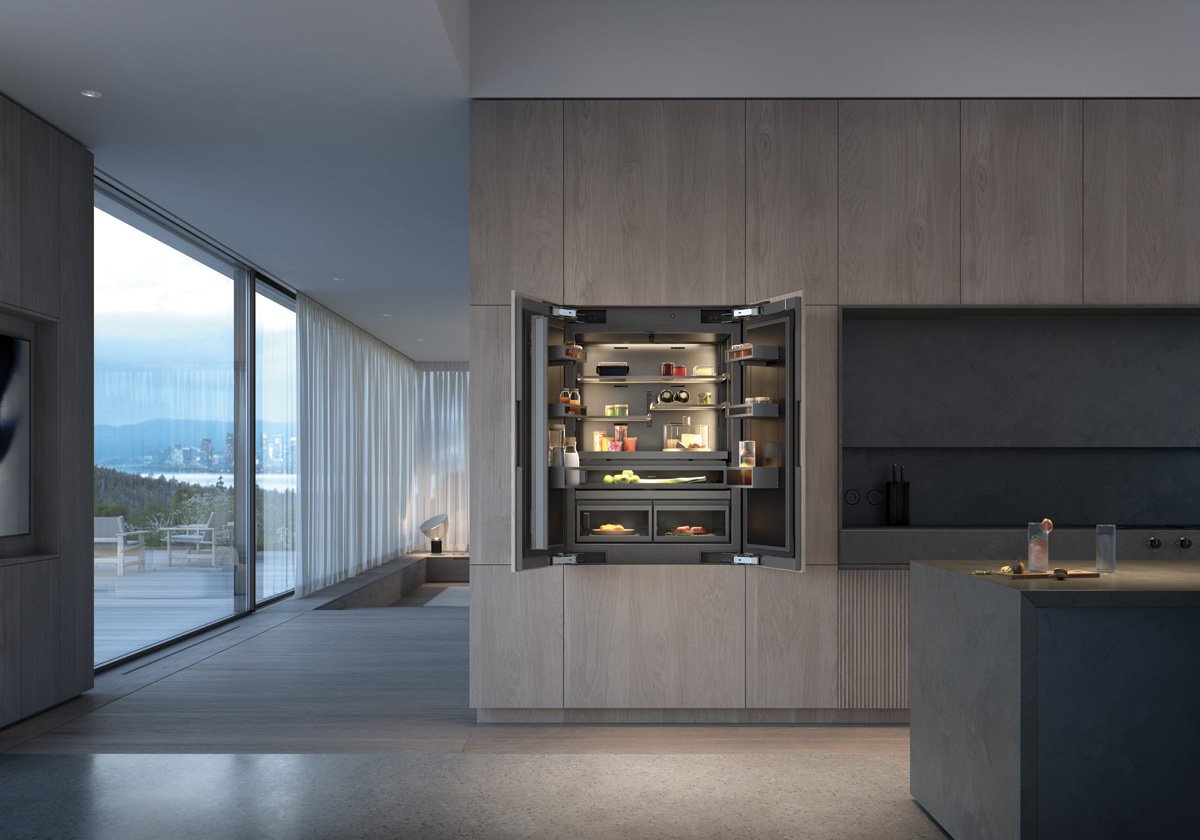
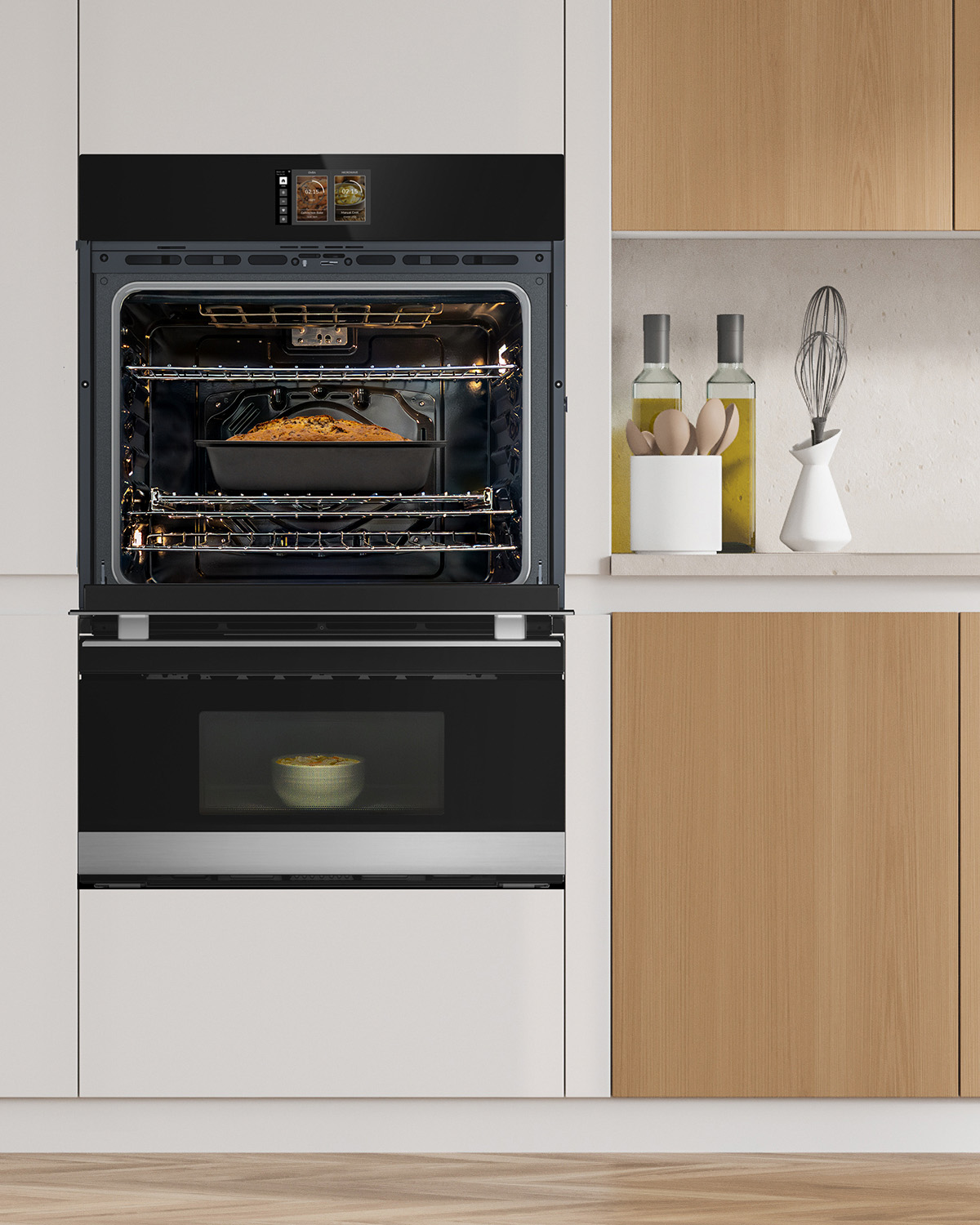
In addition, the advent of smart appliances has changed the way homeowners operate in that space. Refrigerators now have cameras so contents can be checked while in the grocery store. Cameras are also built into ovens, sending messages and images to smart phones for remote cooking capabilities. Ranges and rangehoods provide synchronized cooking and ventilation, while smart dishwashers sense soil levels and adjust detergent and water accordingly.
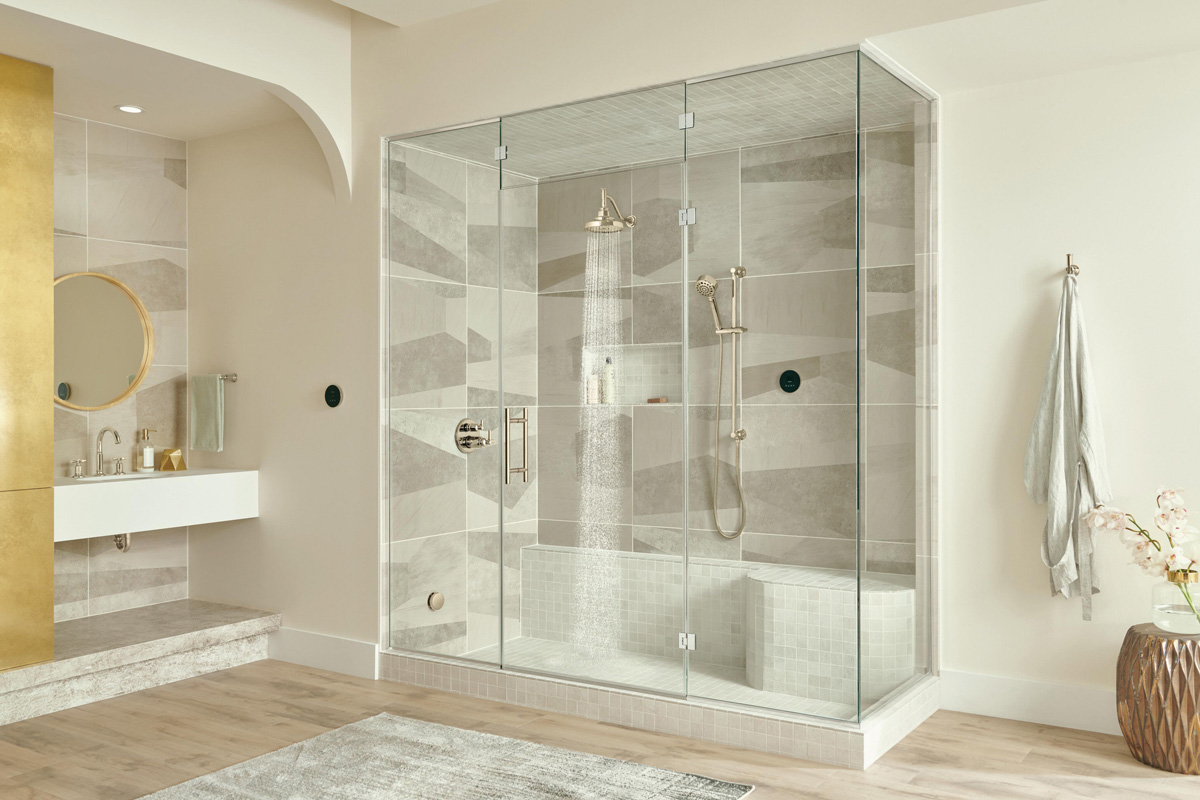
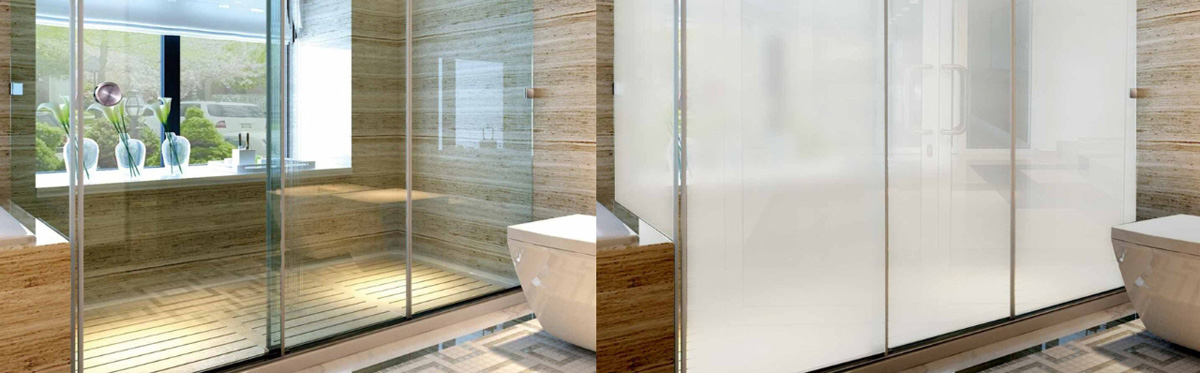
Technology in the bath is also on the rise, delivering the wellness comforts of the best hotels and spas. Smart showers with digital controls allow for personalized programmable settings, while smart bidet seats and toilets deliver the ultimate in cleanliness. Glass with an opaque option is also making an appearance for shower doors, allowing the glass to remain clear when not in use and going opaque when someone enters the shower. The glass needs to be wired since there is a film within it that needs to be activated.
“The Living in Place philosophy of creating spaces that work for people of all ages and abilities so that all of our loved ones feel good when there is my favorite way to look at improving a space,” stresses Sabatino. “A toilet with ‘technology,’ i.e. washing and drying features, is a big plus for aging loved ones or anyone convalescing and can really be a game changer for promoting dignity. Touchless faucets can add function as well.”
“I think of technology as an aid to security, comfort and entertainment,” she continues. “Looking at the users and seeing how best to improve their at-home experience is key, whether it’s with audio-visual, smart appliances, whole-smart home systems or individual features.”
“I think one of the easiest ways kitchen and bath designers can open the conversation about technology is by replacing appliances, since technology is embedded within the smart appliances,” remarks Godeau. “Lighting and other technology can involve simply replacing existing switches with new devices, or it can require wiring or other more extensive changes. Consulting with a smart home specialist is our best resource.”
For tech integrators, ensuring the necessary internet connection to operate all of these elements is key. They may also be involved in the planning of wiring and outlets throughout the spaces to ensure optimal operation.
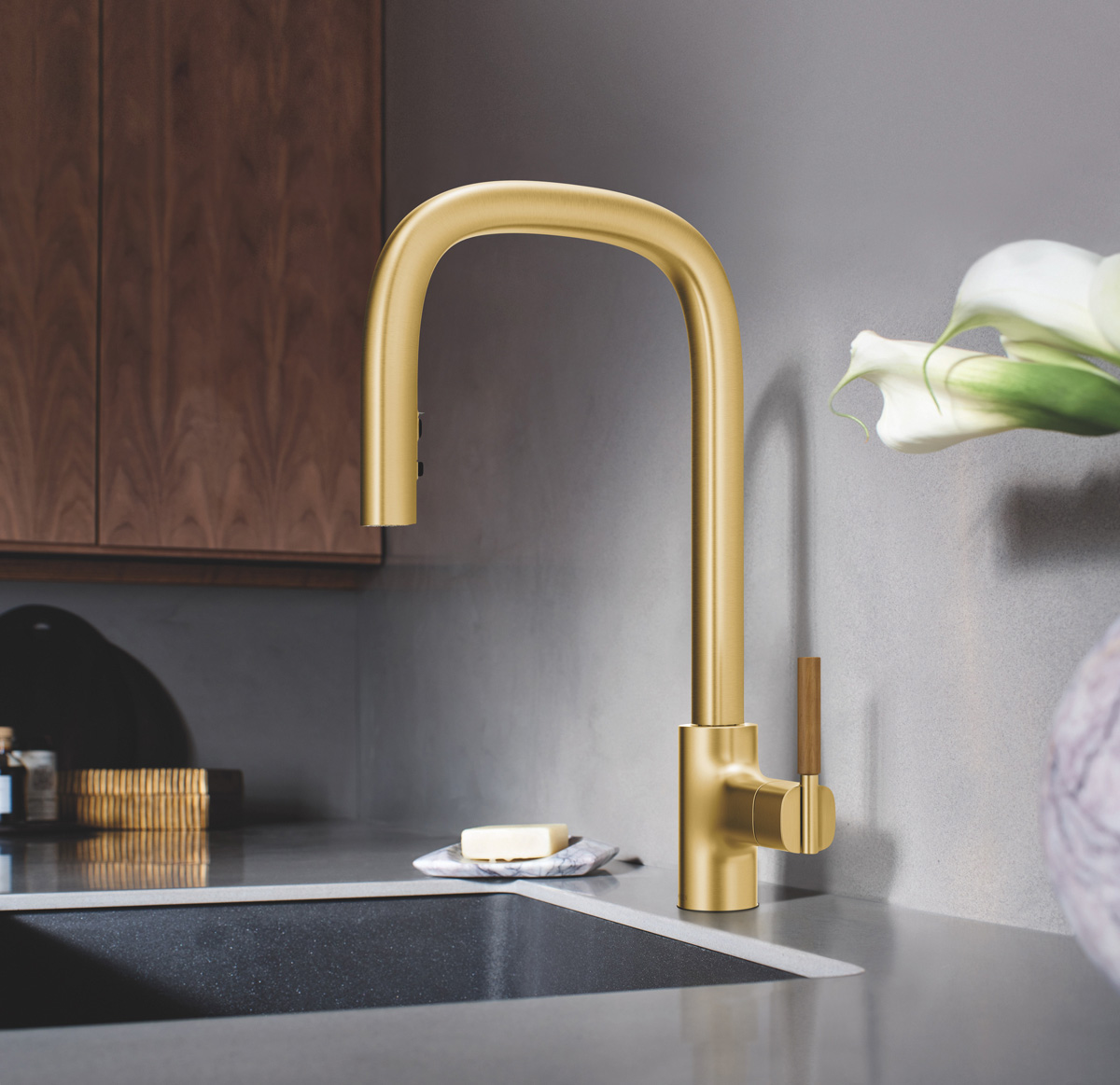
Lighting is also becoming much more important with regard to technology in design, especially when there is an interest in things like circadian rhythm or human-centric lighting (HCL), with the lighting changing color temperatures throughout the day to mimic the sun and its natural cycle, notes Christian. “The right lighting can highlight the beauty of a kitchen, because good lighting can accentuate certain design aspects, especially where tasks are happening. You need task lighting to be right, and at the same time you need to be able to warm it up or dim it down depending on when and what it’s being used for,” he asserts.
Homeowners are learning more about operating their lighting through voice and remote, and are definitely intrigued, even if the idea isn’t yet mainstream. Other options also entering the technologically advanced segment are motorized window shades, security cameras and videos, programmable thermostats, flush-mount speakers for music in the walls and ceiling, and television systems.
All of these elements can be controlled via voice, apps or an in-wall touchscreen, states Christian. And, depending upon the client and how they use their home, the integrator might incorporate a mixture of these options, he adds.
And Sabatino notes that many of these elements are being requested for multiple reasons, with some needing remote access. “Smart thermostats, remote shades and other security measures like leak detectors and cameras are very popular in second homes,” she reports.
Asking the Questions
While some designers are proactive regarding learning about technology, some would rather not get involved. But it’s important to acknowledge, as a designer, that every project will have technology. And, it’s important to get ahead on that conversation, because later in the project may be too late, and that could leave everyone disappointed.
“Not having the conversation early enough is the hindrance,” stresses Christian. “The first role of a designer is as a consultant – to learn what the client wants. Only after asking questions can decisions be made.”
“I believe that technology is an important part of daily living at this point, so I ask clients about how they use it early in the process,” adds Sabatino. For example, for many years clients noted that the news was often part of the morning routine, so that led her to incorporating a large television that could be seen from the kitchen.
As technology became more commonplace for security and comfort, a ‘smart home’ control screen or wall-mount iPad dock became a common add into the kitchen space, she continues. “When talking to people about how they lived in their spaces – particularly post-pandemic during which time home had to become an office, school, salon and theater – I found that technology was playing an increasing role, and it continues to.”
To assist designers in the process, the Home Technology Association offers a one-page checklist of different technologies that might be of interest to a client. “Designers can hand it to a client early on to see what they’re interested in so they can get in front of it,” notes Christian. “It’s a cheat sheet to not forget the technology,” which is important since incorporating technology later in the design process, or even after the fact, can not only be costly but can ruin the overall look of the space.
“It’s the integrator’s job to meet the needs of the designer and the client,” Christian stresses. “Having that conversation early can take some of that anxiety away.”