
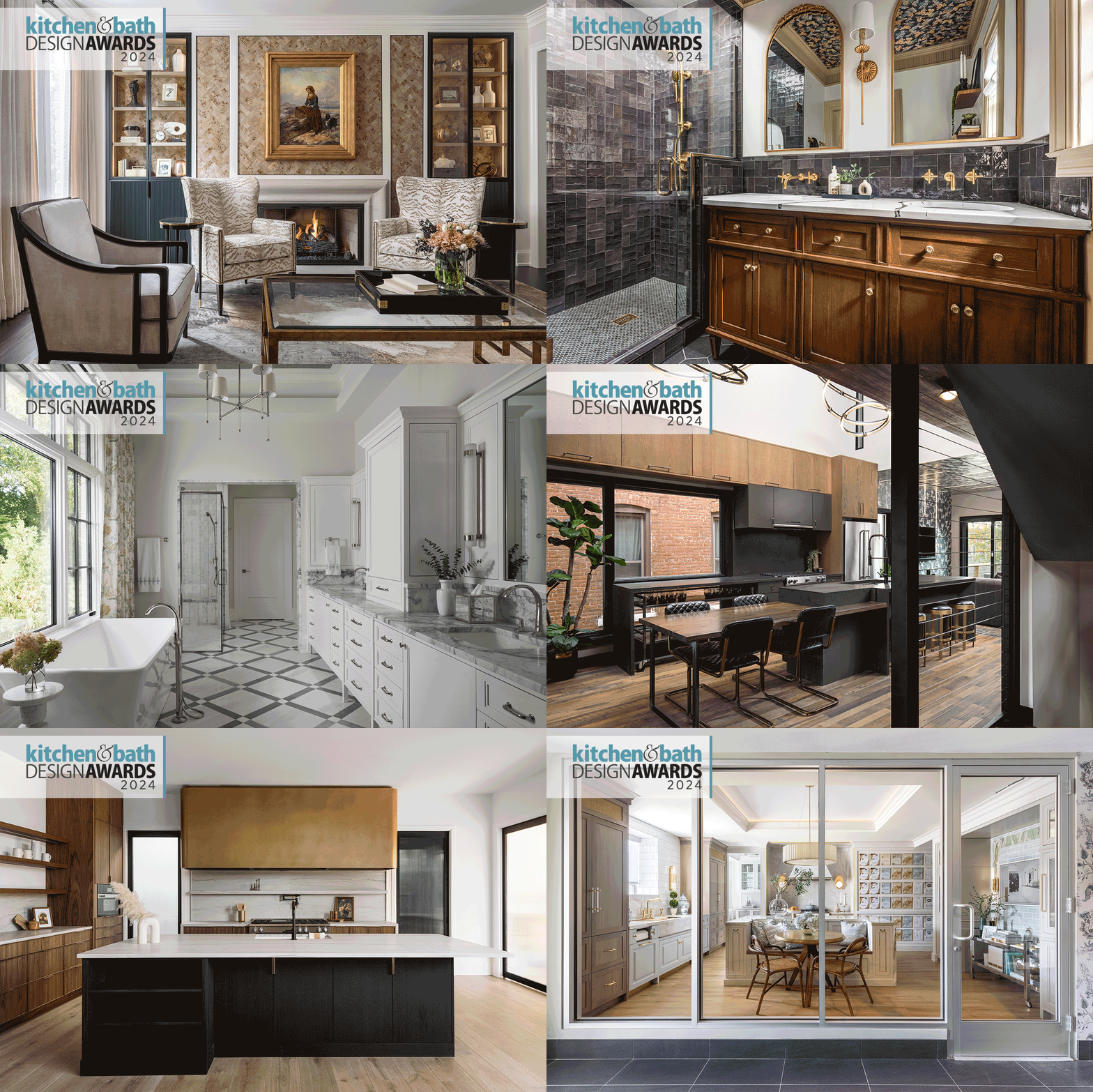
The Showstoppers
The 2024 Kitchen & Bath Design Awards honored a diverse array of spaces replete with thoughtful details, unique finishes and next-level functionality.
Today’s freshest designs are gravitating ever closer to nature, if the entries for the 2024 Kitchen & Bath Design Awards, sponsored by Kitchen & Bath Design News, are anything to go by. Natural tones and finishes from soothing and serene to the bold and inspiring were seen in the projects honored in this year’s awards.
Over 400 entries were judged in 11 categories: Best Kitchen Over $250,000; Best Kitchen $175,000-$250,000; Best Kitchen $100,000-$175,000; Best Kitchen Under $100,000; Best Specialty Kitchen; Best Master Bath Over $125,000; Best Master Bath $75,000-$125,000; Best Master Bath Under $75,000; Best Powder Room; Best Showroom, and Best Specialty Project.
The prestigious judging panel for the awards included: Richard T. Anuszkiewicz, Design Galleria in Nashville, TN; Sarah Kahn Turner, Marnie Custom Homes in Bethany Beach, DE; Jerel Lake, Design Galleria in Atlanta, GA; Mike O’Brien, Change Design in Wilmette, IL; Helene Terry, Helene’s Luxury Kitchens in Dallas, TX, and Doug Walter, Doug Walter Architects in Denver, CO.
Each project was evaluated on multiple points, including: aesthetic appeal, functionality of the space, attention to detail, handling of unusual situations, originality, selection of colors and finishes and overall impression. The judges also provided design feedback to all entrants.
EXPECT THE UNEXPECTED
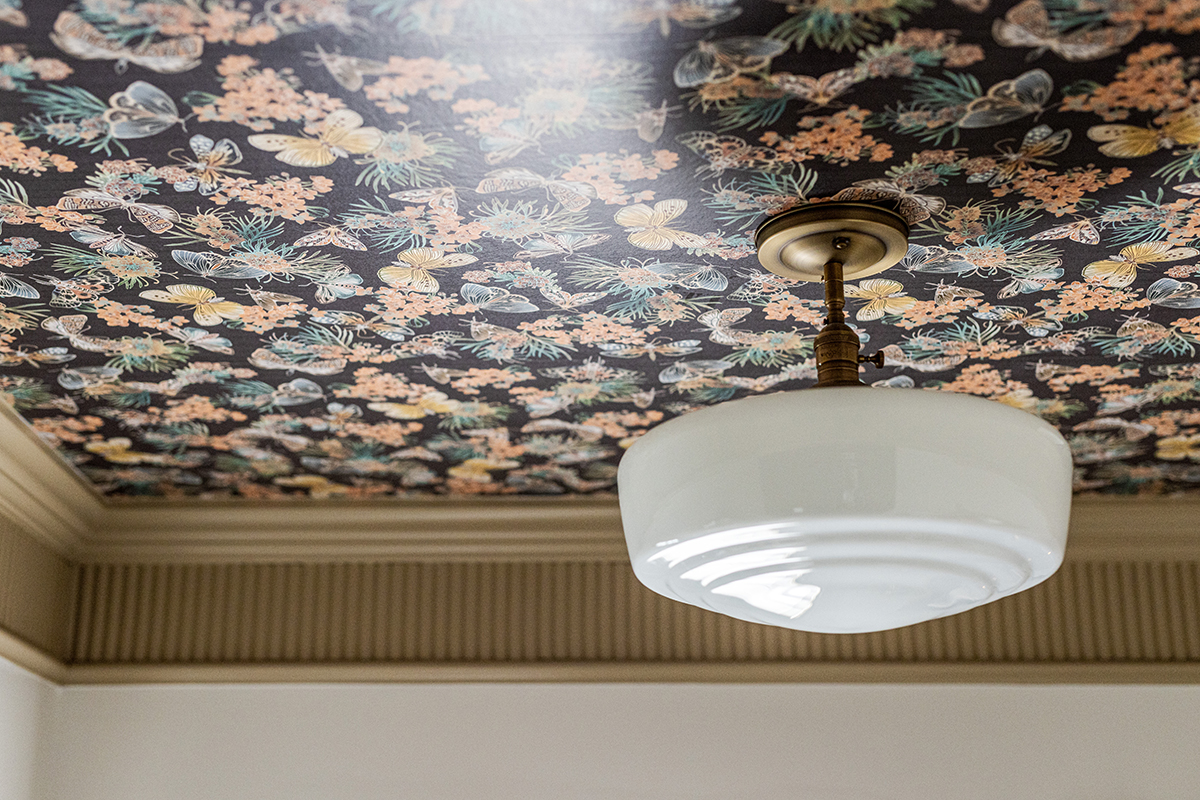
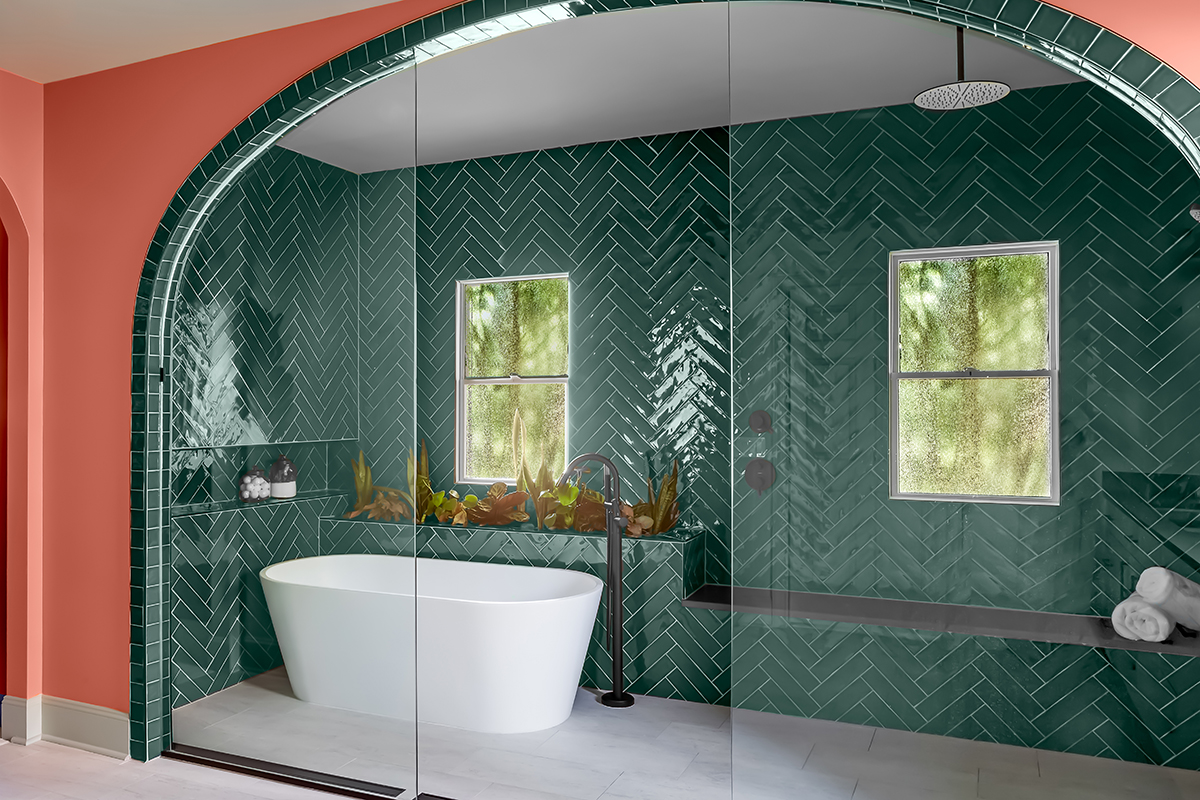
The judges pointed to a number of details and applications that they found pleasantly surprising.
“We saw…pass-throughs from butler’s pantries into kitchens – clever ways to pass items through,” recalls Kahn Turner. “We saw an interesting array of other spaces: spas and basements, outdoor spaces.”
An element Lake found to be a welcome surprise was “the use of wallpaper on the ceilings – just integrating unique materials and finishes in unexpected ways.”
“When you come from a certain area of the country, it’s fun to see what other people in other areas of the country are doing – like taking advantage of coastal colors or mountain areas. It’s great to see what projects are happening across the U.S.,” O’Brien says.
Terry enthuses about the diversity of finishes and colors. “We love adding pops of color; we saw blues and greens, as well as all different types of tiles on floors and ceilings and walls.”
INTO THE WOODS
Although the judges indicated it was difficult to pin down one overarching trend among the entries, there was a broad movement worth noting – the return and diversification of wood.
“A lot of beautiful wood species are really resurging in cabinetry,” notes Anuszkiewicz, nodding also to the use of exotic stone surfaces.
Kahn Turner points specifically to wood finish selections, which are “darker, moodier colors with wood, instead of just the rift-cut white oak.”
Lake agrees: “We saw a lot of warm woods being introduced into design.” He also notes the “interesting uses of wallpapers and colors starting to become a little bit more popular nowadays.”
For Terry, it wasn’t just about the wood colors or species, but the wood textures. “We saw a continuation of the reeded wood finishes,” she says. “We saw it in paneling on the wall, as well as in cabinetry.”
“Another big trend we’re seeing is black,” Walter adds. “We’re seeing a lot more black in kitchens especially, but often it’s black with a little bit of wood. We’re also seeing white with wood, and somehow it’s that small percentage of wood – maybe a third of the cabinets are wood – that really warms up the space.”
RECIPE FOR SUCCESS
In addition to weighing in on the winning projects, the judges also remarked on what makes a winning project – or at least what helps a contest entry get a second look among hundreds of other submissions.
“Keep it simple,” Kahn Turner asserts. “Make your plans really legible. We don’t necessarily need a lot of dimensioning, but a good before and a good proposal so we can compare very quickly – there’s a lot of entries in a short amount of time.” She adds, “And good, clear, crisp pictures.”
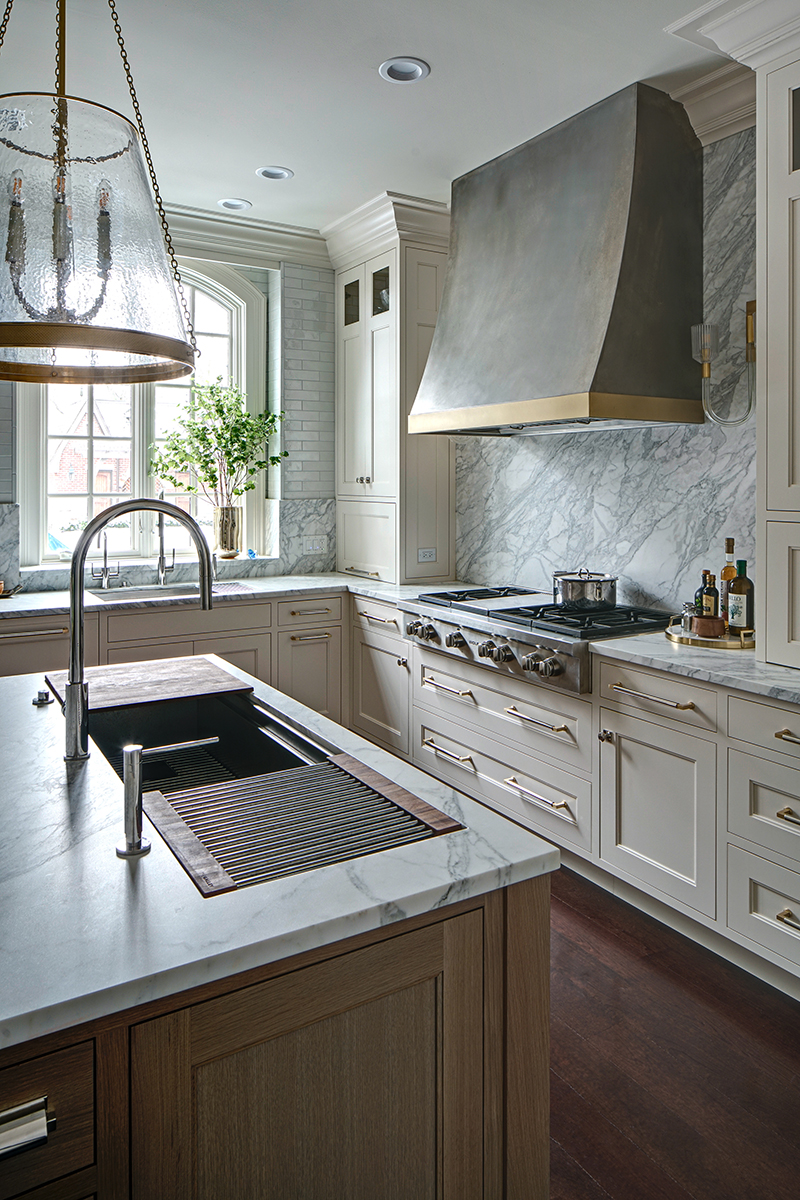
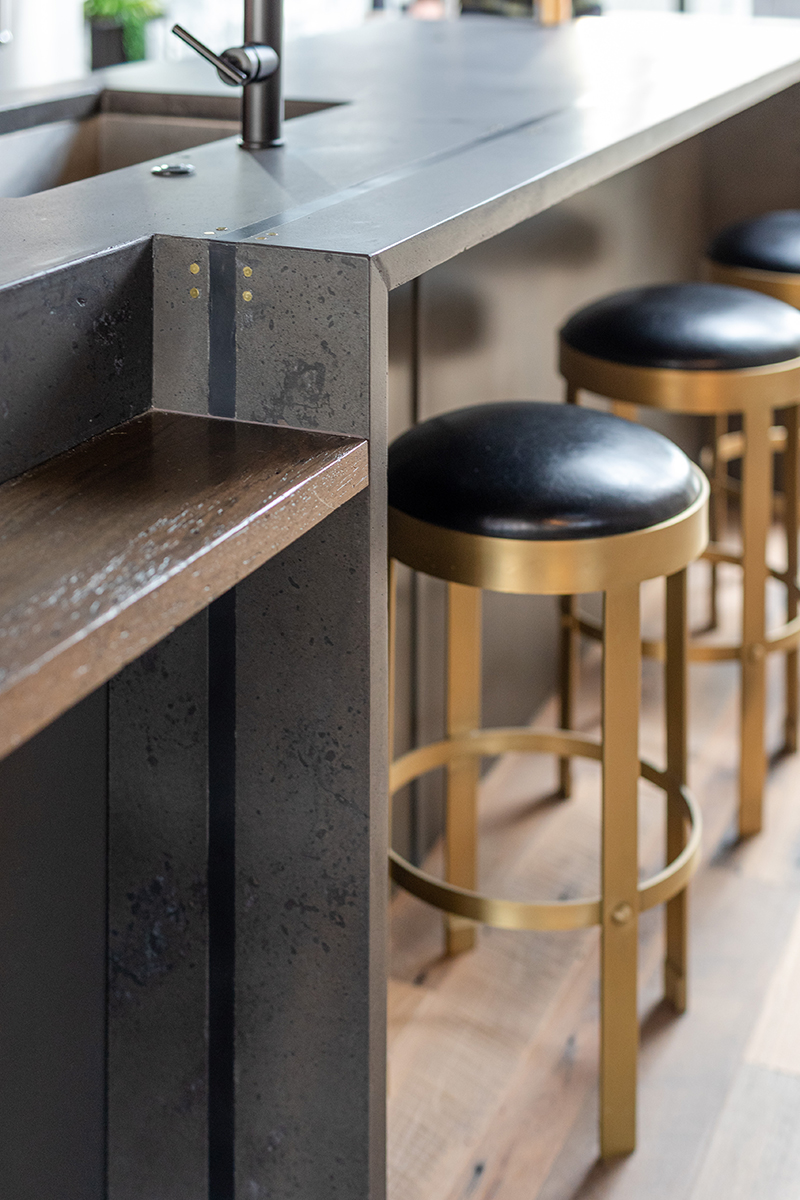
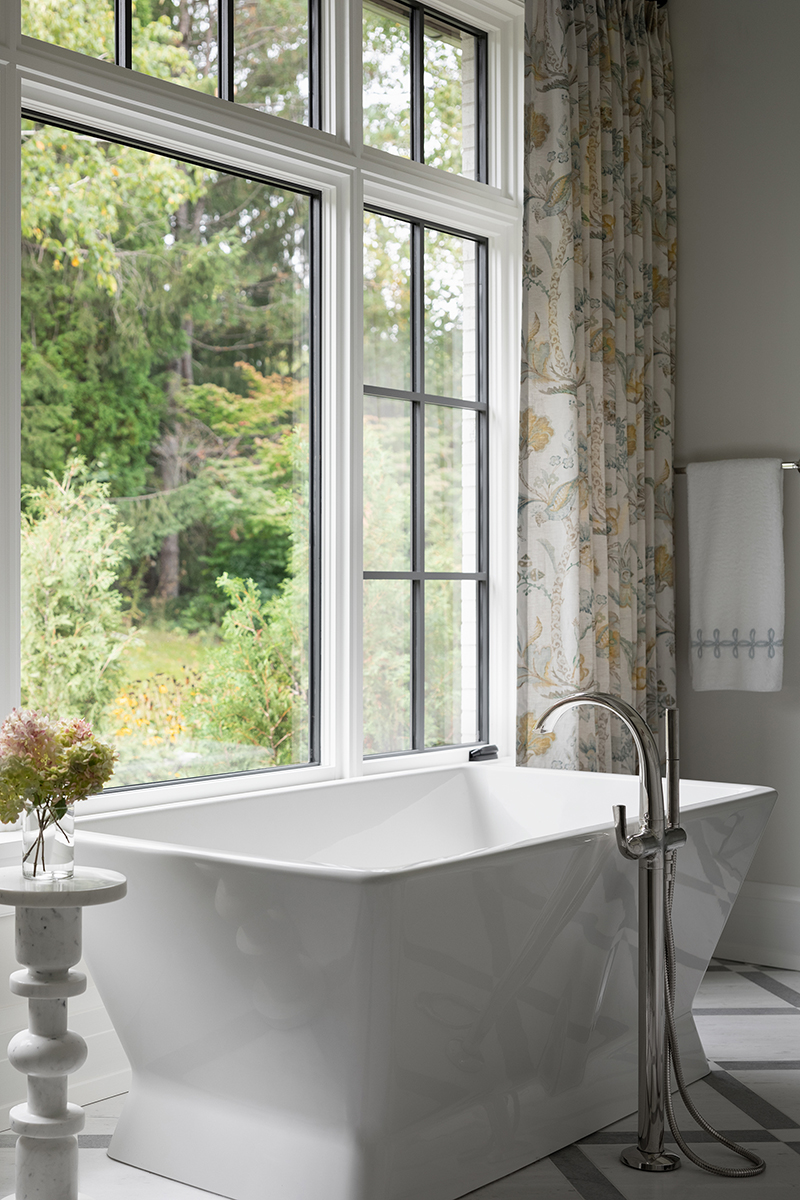
“Usually, a very good project has very good plans, photos and project descriptions, and a project that doesn’t do so well sometimes falls down in those [areas],” Walter advises. “So in the photos, you want them to be crisp and professional….The plans need to be readable; you need to be able to tell what was there, and what’s new and what’s old.”
For remodels, he adds, ‘before’ photos are a must. “The ‘before’ photos do not need to be attractive – as a matter of fact, the worse they look, the better your entry is going to do!” he quips.
For Lake, photography is king. “Just have your photos shot correctly – lights off, more of an editorial look.”
“You definitely can’t put a price point on good photos,” Anuszkiewicz agrees. “It definitely stands out and really shows a difference when you’re working with the right photography and lighting.” In addition to photography, he notes the importance of staging. “Staging is critical to the success of the overall look of the entries, and you really want to be mindful of the proper staging that brings your space to life.”
O’Brien points to the details of the project. “A good solution, a good mix of materials, a good mix of textures and colors,” he says. “And then good photography. You can lose quickly without good photography.”
“Detail shots can also help as well,” Terry adds with regard to photography.
